Skip to content
 A medical procedure that uses a focused beam of light to reduce unwanted hair – performed with settings chosen carefully for your skin tone.
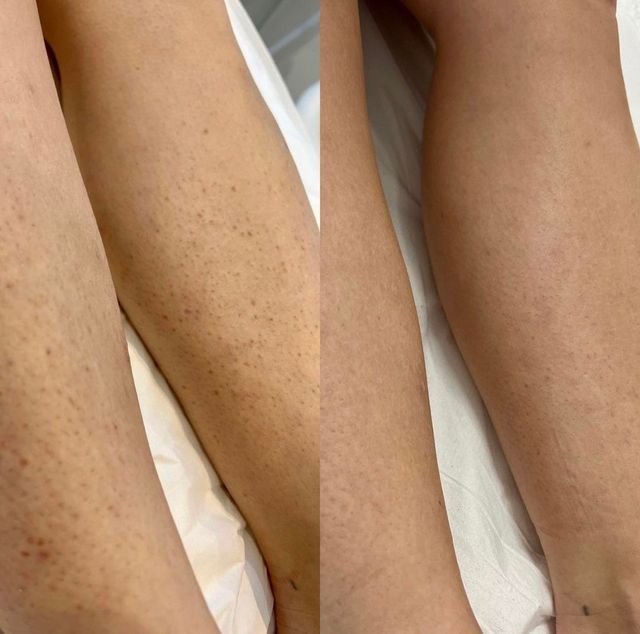
The laser targets the pigment in the hair, called melanin. The light turns into heat, which damages the hair follicles – the small pockets in the skin where hair grows. That damage slows future hair growth.
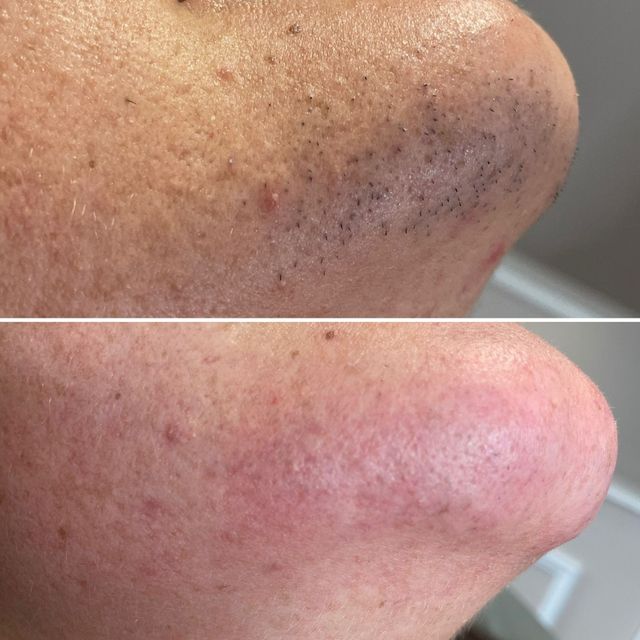
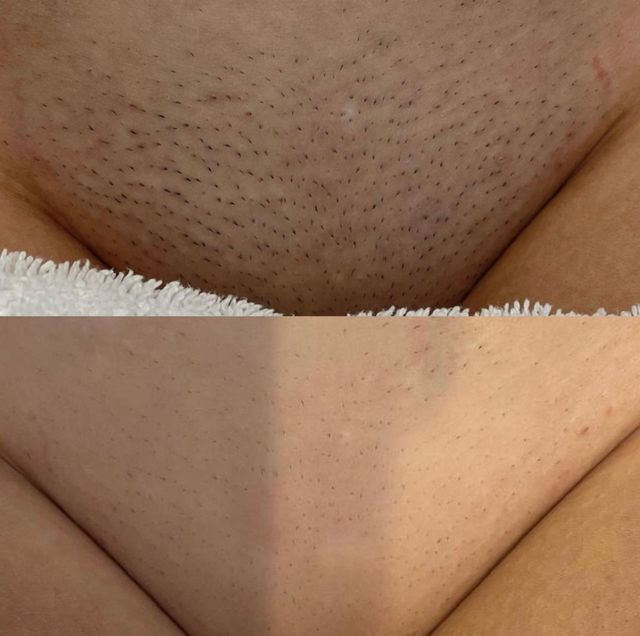
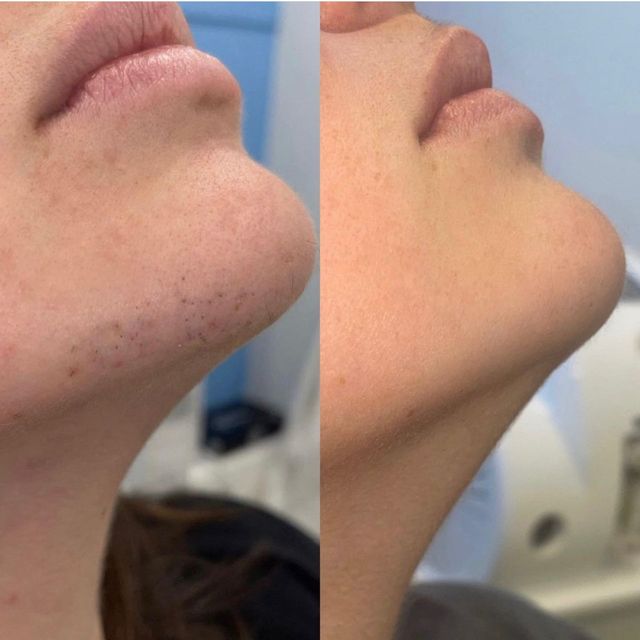
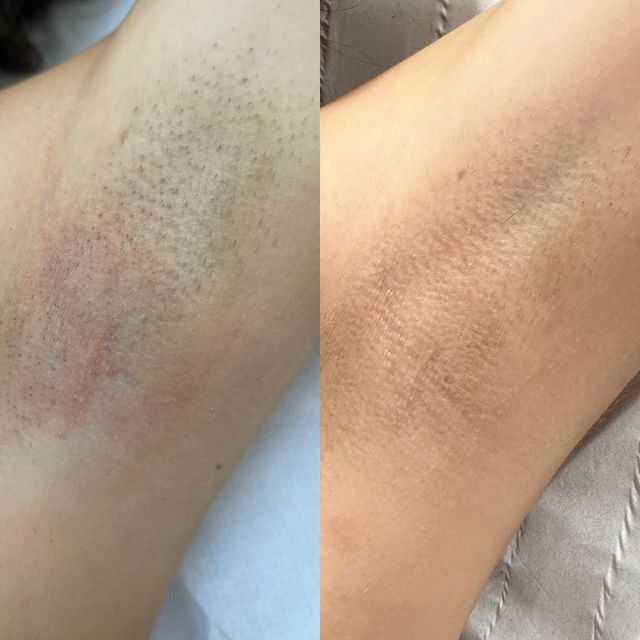
Laser hair removal can greatly reduce hair growth, and some hair may be removed permanently. Hair can grow back over time, so most people need several treatments to see clear results, with occasional follow-ups to maintain them.
Laser hair removal reduces unwanted hair. Common treatment areas include the legs, underarms, upper lip, chin and bikini line. Most areas of the body can be treated, but it should not be used on the eyelids, eyebrows or surrounding areas, or on skin with tattoos.
It can be used on people with black or brown skin when performed by an experienced professional. Darker skin contains more melanin, so choosing the right type of laser and the right settings is important – this protects the skin while still treating the hair effectively.
The treatment works best when there is a clear contrast between hair colour and skin colour, because the laser targets pigment in the hair. Blonde, white and grey hair have less pigment, so results are limited. Red hair contains a different type of melanin that doesn’t absorb enough laser energy to damage the follicle.